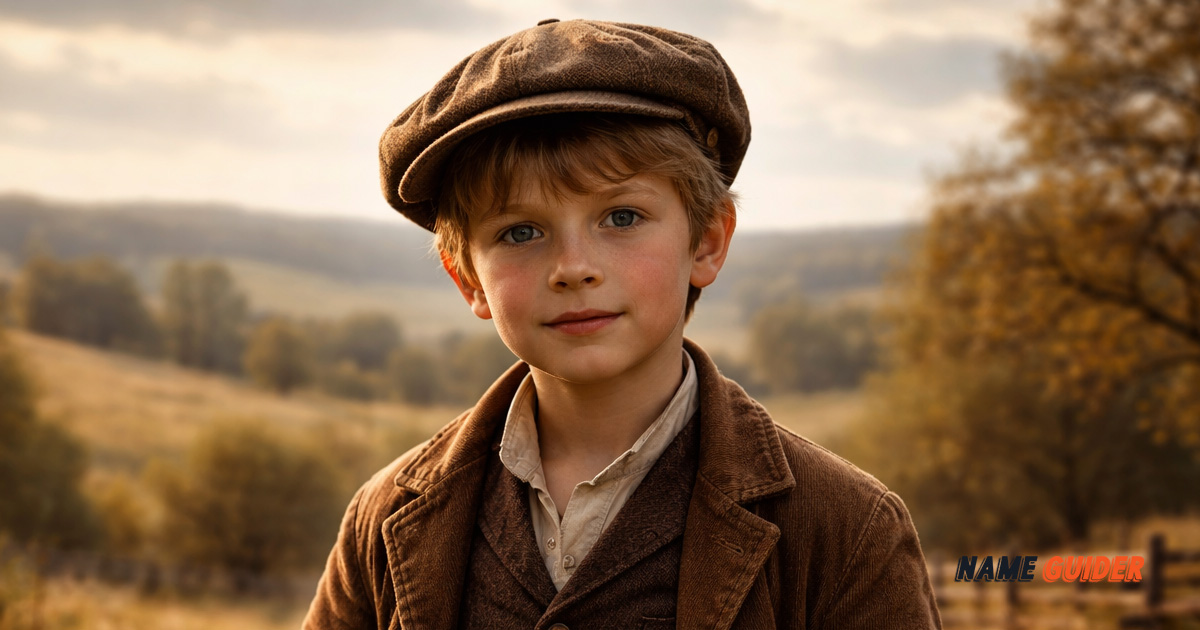
500 1800s Names Ideas and Suggestions. The names Eleanor, Beatrice, Phoebe and Cordelia represent more than traditional feminine names because they became popular during the Victorian era between the mid and late 1800s. Our collection of 1800s names provides the perfect vintage options for parents who want to name their daughter using authentic 1800s names.
The document presents name origins together with their meanings through organized sections which display three name categories that include common names and sophisticated names plus uncommon names. The article presents a detailed examination of the enduring beauty which characterizes these 1800s names.
1800s Names With Meanings
Here is the list of 110 1800s Names With Meanings:
- Adelaide — “nobility” and “adornment.”
- Euphemia — “good speaker” and “well-born.”
- Phena — “foam” or “froth.”
- Theodosia — “God-given.”
- Frances — “Frenchman” or “free man.”
- Hessie — “battle” or “war.”
- Lilith — “belonging to the night.”
- Belladonna — “beautiful lady.”
- Carmel — “garden” or “orchard.”
- Olympia — “from Mount Olympus.”
- Ravenna — “Italian city.”
- Gertrude — “strength of the spear.”
- Tabitha — “gazelle.”
- Catherine — “pure.”
- Thelma — “will” or “volition.”
- Selma — “God’s helmet.”
- Verna — “spring green.”
- Hyacinth — “hyacinth flower.”
- Esther — “star.”
- Regina — “queen.”
- Mildred — “gentle counselor.”
- Eunice — “good victory.”
- Josephine — “God will increase.”
- Thora — “thunder.”
- Flora — “flower.”
- Honoria — “woman of honor.”
- Lucretia — “profit” or “wealth.”
- Philomena — “lover of strength.”
- Hester — “star.”
- Deidamia — “unconquerable.”
- Blanche — “white.”
- Almira — “princess” or “leader.”
- Lydia — “beautiful.”
- Morgana — “born of the sea.”
- Celeste — “heavenly.”
- Sabrina — “patience.”
- Lyssa — “rage” and “fury.”
- Ruby — “red.”
- Arlene — “pledge” or “promise.”
- Jezebel — “Baal exalts.”
- Theda — “people” or “gift from God.”
- Mavis — “songbird.”
- Virginia — “virginal” or “maidenly.”
- Rosie — “rose.”
- Bertha — “bright” or “famous.”
- Johanna — “God is gracious.”
- Audrey — “noble strength.”
- Millicent — “industrious.”
- Sassie — “bold and spirited.”
- Therese — “harvester” or “late summer.”
- Margot — “child of light.”
- Edwina — “rich friend.”
- Lottie — “free man.”
- Dorah — “gift of God.”
- Betsy — “worshipper of God.”
- Genevieve — “woman of the people.”
- Mabel — “lovable.”
- Lavinia — “legendary mother of the Roman people.”
- Sophie — “wisdom.”
- Vera — “truth.”
- Pauline — “little.”
- Odelia — “I will praise God.”
- Maeve — “intoxicating.”
- Estella — “star.”
- Novella — “new” or “young.”
- Elvira — “truth.”
- Imogen — “maiden.”
- Winifred — “resolute protector.”
- Wilhelmina — “resolute protector.”
- Pearl — “pearl” for the gemstone.
- Antoinette — “highly praiseworthy.”
- Maude — “mighty in battle.”
- Norma — “the standard” or “the norm.”
- Olive — “olive tree.”
- Cleo — “to praise.”
- Odette — “wealthy.”
- Inez — “pure” or “chaste.”
- Athalia — “God is exalted.”
- Rhoda — “rose.”
- Cornelia — “horn.”
- Gladys — “princess.”
- Nora — “light.”
- Eudora — “good gift.”
- Fern — “fern plant.”
- Olga — “holy.”
- Ivy — “vigor” and “energy.”
- Severine — “stern.”
- Tillie — “mighty in battle.”
- Etta — “estate ruler.”
- Willow — “willow tree.”
- Desdemona — “ill-fated.”
- Lenora — “light.”
- Ottilie — “prosperity.”
- Theonie — “godly” or “divine.”
- Elva — “white” or “bright.”
- Doris — “gift of the sea.”
- Edith — “riches” or “blessed.”
- Marion — “star of the sea.”
- Edna — “pleasure” or “delight.”
- Minnie — “wished-for” or “rebellion.”
- Clara — “bright” and “clear.”
- Ida — “hardworking” and “prosperous.”
- Branwen — “white raven.”
- Myrtle — “green shrub.”
- Keturah — “incense” or “fragrance.”
- Rue — “regret.”
- Theresa — “to harvest” or “late summer.”
- Mona — “noble.”
- Ebba — “strong.”
- Lois — “superior” or “most beautiful.”
1800s Names Ideas and Suggestions

Here is the list of 390 1800s Names Ideas and Suggestions:
- Oswald
- Gilbert
- Richard
- Thomas
- Jarvis
- Clarissa
- Conrad
- John
- Garland
- Julia
- Ollie
- Ambrose
- Wilson
- Oscar
- Holden
- Curtis
- Melvin
- Tobias
- Francis
- Naomi
- Fletcher
- Reginald
- Jonas
- Imogen
- Victoria
- Byron
- Edwin
- Minnie
- Jacob
- Marietta
- Montgomery
- Dawson
- Lucy
- Harvey
- Harriet
- Paloma
- Cecelia
- Isaac
- Callahan
- Dalton
- Hector
- Henrietta
- Elmira
- Charity
- Benton
- Vernon
- Drusilla
- Ida
- Philip
- George
- Paul
- Eleanora
- Belinda
- Delilah
- Agatha
- Lloyd
- Magdalena
- Patsy
- Clementine
- Julius
- Nettie
- Burton
- Alonzo
- Ulysses
- Harlan
- Timothy
- Cassandra
- Aurelia
- Vesta
- Dalton
- Randall
- Euphemia
- Ellison
- Benjamin
- Cornelius
- Alden
- Celia
- Keegan
- Della
- Leonard
- Nelson
- Myra
- Bessie
- Thatcher
- Josiah
- Morris
- Frances
- Alexander
- Odessa
- Forrest
- Horace
- Aldrich
- Adelaide
- Michael
- Edgar
- Lydia
- Thaddeus
- Virginia
- Caroline
- Ansel
- Catherine
- Kendrick
- Nancy
- Elijah
- Winifred
- Florence
- Martha
- Stephen
- Goldie
- Bryant
- Stuart
- Orville
- Norman
- Willis
- Ada
- Augustus
- Luther
- Loren
- Violetta
- Blanche
- Louisa
- Willa
- Isadora
- Joshua
- Frederick
- Everett
- Mary
- Lawson
- Hester
- Bridget
- Martin
- Rupert
- Octavia
- Basil
- Herbert
- Ward
- Frank
- Laura
- Walker
- Whitman
- Cameron
- Levi
- Wilhelmina
- Ezekiel
- Sophronia
- Eugene
- Rosetta
- James
- Bernice
- Bertha
- Louise
- Sallie
- Constance
- Emmett
- Anderson
- Marion
- Clayton
- Patrick
- Irving
- Quincy
- Edith
- Sophia
- Penelope
- Beatrice
- Alberta
- Charles
- Ramona
- Seymour
- Miranda
- Seraphina
- Clarence
- Reuben
- Nathan
- Porter
- Lottie
- Deborah
- Camilla
- Dorinda
- Sarah
- Emily
- Eleanor
- Leona
- Easton
- Wesley
- Chester
- Georgia
- Sterling
- Felicia
- Winnie
- Andrew
- Franklin
- Clifford
- Winslow
- Maxwell
- Finley
- Theresa
- Sherman
- Noah
- Edward
- Preston
- Anna
- Flora
- Josie
- Clyde
- Augusta
- Letitia
- Susan
- Perry
- Malachi
- Ellen
- Hudson
- Abram
- Moses
- Wallace
- Bernadette
- Evelina
- Jedediah
- Georgiana
- Hollis
- Rosie
- Jesse
- Priscilla
- Phineas
- Maria
- Daniel
- Tabitha
- Marcella
- Florentine
- Eliza
- Sidney
- Jasper
- Lester
- Sabina
- Janette
- Percival
- Homer
- Elvira
- Lillian
- Silas
- Zachariah
- Julian
- Spencer
- Mildred
- Peter
- William
- Isaiah
- Honora
- Sylvester
- Irene
- Barrett
- Clara
- Arthur
- Walter
- Grayson
- Melinda
- Fannie
- Dinah
- Coleman
- Elizabeth
- Rosa
- Earl
- Ernest
- Odessa
- Gertrude
- Felix
- Grace
- Gwendolyn
- Lavinia
- Olive
- Emma
- Nathaniel
- David
- Wilbur
- Warren
- Bernard
- Anthony
- Oliver
- Jonathan
- Arnold
- Inez
- Lucinda
- Rebecca
- Giles
- Theodore
- Titus
- Barton
- Wilfred
- Dudley
- Nellie
- Bradford
- Amos
- Philomena
- Ophelia
- Dorothy
- Candace
- Regina
- Robert
- Bernadine
- Mamie
- Elmer
- Truman
- Sawyer
- Theodora
- Solomon
- Corinne
- Marian
- Zadie
- Rowena
- Napoleon
- Hattie
- Valeria
- Ruth
- Jane
- Judson
- Sheldon
- Baxter
- Brooks
- Abel
- Etta
- Selina
- Keaton
- Marcus
- Dexter
- Margaret
- Eva
- Cordelia
- Archibald
- Amelia
- Adelaide
- Charlotte
- Grover
- Clinton
- Vincent
- Temperance
- Tillie
- Jemima
- Isabella
- Susanna
- Esther
- Cedric
- Adeline
- Thomasina
- Benedict
- Griselda
- Enoch
- Winston
- Gordon
- Rosalie
- Otis
- Milton
- Jeremiah
- Pearl
- Elliot
- Katherine
- Carlton
- Lewis
- Joanna
- Rachel
- Josephine
- Samuel
- Edison
- Doreen
- Owen
- Kitty
- Henry
- Sanford
- Alvina
- Zella
- Duncan
- Lawrence
- Lillian
- Matilda
- Althea
- Darius
- Roland
- Merritt
- Jerome
- Nicholas
- Hannah
- Lorenzo
- Marshall
- Loretta
- Caleb
- Arabella
- Anastasia
- Lucille
- Georgina
- Myron
- Annabelle
- Alfred
Conclusion
The 1800s names show a deep connection between traditional customs and various cultural elements which maintain their classic beauty. The names were created through religious themes and royal elements and natural features and family heritage, which resulted in names that carry deep historical significance. The names Elizabeth, William, Henry, and Margaret stayed in fashion throughout the entire century as standard name selections. The old-fashioned names still attract contemporary parents and writers because they provide a nostalgic experience while maintaining the historical identity and character of the previous era.




Leave a Reply